Train Your Dog Like an Expert: 7 Easy Steps
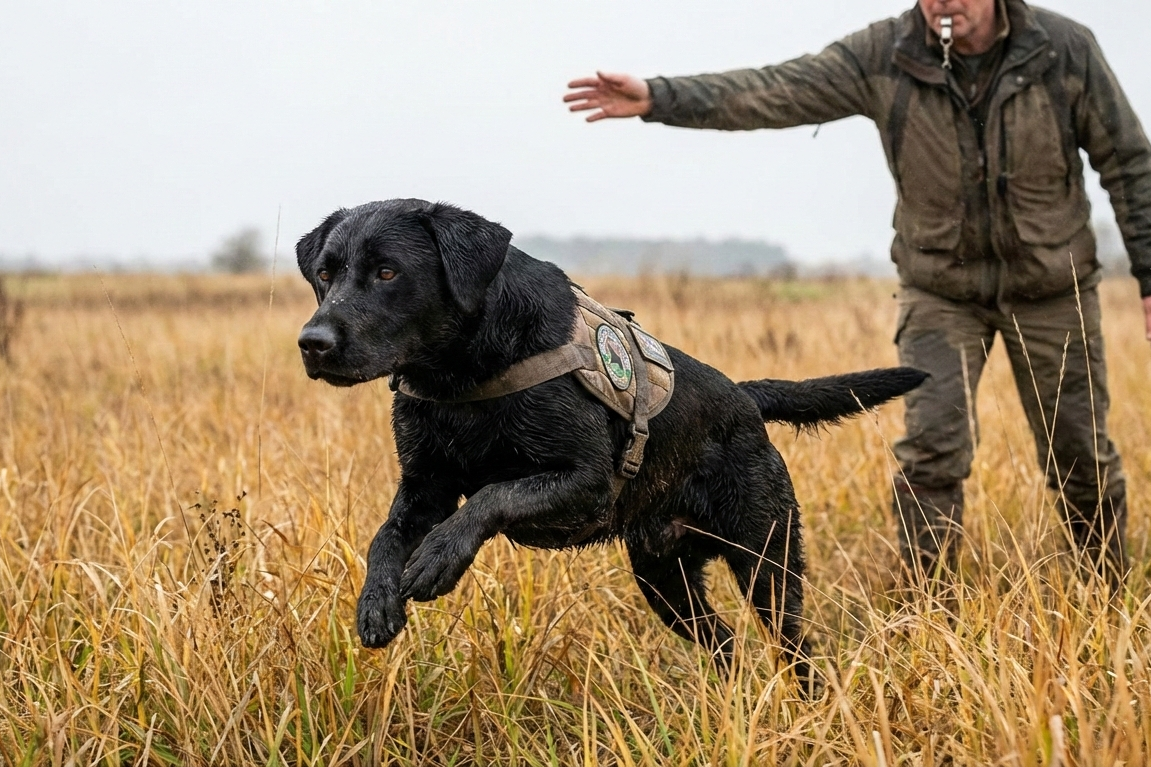
Training your dog doesn’t have to be complicated or frustrating. With consistent practice, positive reinforcement, and the right approach, you can teach your dog good manners, basic commands, and safe behaviours — all while strengthening your bond. Here’s a step-by-step guide to training your dog like a professional, specifically for dog owners across Cornwall, from St Agnes to Newquay, Perranporth, Falmouth, and Redruth.
1. Start With the Basics of Dog Training
Every dog needs a solid foundation. Start a dog obedience program with consistent commands and clear expectations. Use positive reinforcement: reward behaviours you want to see and ignore unwanted behaviours. Treats, toys, or affection all work.
2. Housetraining and Crate Training
Teaching your dog where to potty is essential. Crate training gives your dog a safe space and supports housetraining. Consistency is key — accidents are normal, especially with puppies. Some accidents may also be due to submissive or excitement urination rather than poor training.
3. Leash Training
A well-trained dog walks calmly on a leash, which is critical for safety in Cornwall’s parks, beaches, and towns. Start with a no-pull harness and short sessions, gradually increasing distance and distractions. This ensures your dog walks safely, whether in busy parks or off-lead in quiet country roads.
4. Socialisation
Socialisation is key for dogs in any community. Expose your puppy or adult dog to new people, animals, and environments to prevent fear or behavioural issues. Proper socialisation creates well-adjusted dogs comfortable in parks, streets, and at home.
5. Clicker Training
Clicker training is an optional, yet highly effective, method of positive reinforcement. It helps teach both basic commands and advanced tricks, giving clear feedback to your dog. This method works for puppies and adult dogs across Cornwall.
6. Teach Basic Commands and Fun Tricks
Basic commands every dog should know:
Sit
Stay
Come
Drop it
Back up
These commands provide structure, keep your dog safe, and prevent common behavioural issues. Once your dog masters the basics, you can move to advanced tricks or dog sports for mental stimulation.
7. Proof Behaviours and Troubleshoot
Training is not complete until behaviours are proofed — your dog must respond reliably in different environments, around distractions, and with strangers. Practice across Cornwall locations, including local parks, beaches, and towns. Identify potential behavioural issues early and reinforce good habits.
Key Takeaways
Training should be short, consistent, and positive — even 5–10 minutes per session works.
Early socialisation, housetraining, and basic obedience are essential for lifelong good behaviour.
Use positive reinforcement over punishment. Reward the behaviour you want to see.
Training is ongoing — continue practising commands and introducing challenges.
Need Tailored Support?
Whether you’re in St Agnes, Perranporth, Newquay, Falmouth, Redruth, or St Austell, ConnorTrainsDogs offers expert dog training services tailored to your location. Start today with:
Train your dog like an expert and build a calm, confident, well-behaved dog.